History of Vintage Clothing
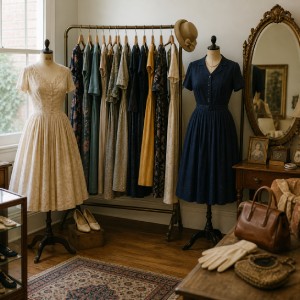
Vintage clothing refers to the concept that clothing holds the power of both cultural and historical significance. The styles and materials used over the course of various decades were influenced by social changes, economic climates and artistic expressions. For example, the structured beauty of the 1940's, the full skirts and defined waistlines of the 1950's, and the avant-garde style of the 1970s all reflected the climate of their respective eras.
Fashion is always evolving and therefore so does the process of creating clothing. Early day clothing was primarily created with a focus on long-lasting and attention to detail. The choice of materials were chosen for their ability to endure and the methods used to construct them were intended to allow them to withstand repeated use. Therefore, there are many vintage pieces that continue to exist in great condition.
Understanding the historical background of each garment contributes to understanding its timeless allure. Vintage clothing is not just about aesthetic appeal; it encompasses an aspect of each respective time-period. Wearing something from a particular decade conveys some sense of that time-eras identity; thus every article of clothing is much more than mere attire.
Famous Vintage Trends
Vintage trends define and continue to inspire new generations of designers. The many styles of vintage clothing are often revived or updated, illustrating how timeless ideas persist as inspiration. Here are some that have lasted through time:
- Tailored garments (jackets, pants, skirts/dresses) have for years characterized vintage clothing. Vintage garments with well-fitted lines and proportions provide a clear definition of style. Tailored garment styles are also easy to adapt to today’s wardrobes.
- Prints/Patters have contributed significantly to the diversity of vintage textiles. Polka dots, flowers, geometric designs, etc., are all common examples of bold yet balanced patterned prints found on vintage textile products. Prints/patterns help create personality while maintaining the integrity of the overall aesthetic.
- Gloves, Hats & Jewellery were once integral components of daily attire. Although less frequently worn today they serve the same purpose of providing additional visual interest when paired with other fashion pieces.
Vintage Shoes, Handbags, Dresses & Accessories
An ideal vintage wardrobe is comprised of a selection of curated items. The various categories offer distinctly different forms of style and functionality.
One of the most recognizable types of vintage fashion is the dress. Many vintage dresses include defined silhouettes, use premium materials, and incorporate thoughtful details. A significant number of vintage dresses are intended to flatter the individual's natural silhouette resulting in an overall balance and structure.
Past decade shoes generally emphasize craftsmanship and longevity. Shoe styles from previous eras commonly consist of leather, solid sole construction and classic designs. This emphasis on craftsmanship results in shoes that are functional and aesthetically pleasing.
Handbags/accessories allow individuals to bring a vintage element into their day-to-day wardrobes through accessorizing. Vintage inspired handbags/clutches/belts are simple ways to add character to your wardrobe while not committing to a fully vintage look.
How to Spot Quality Vintage Pieces
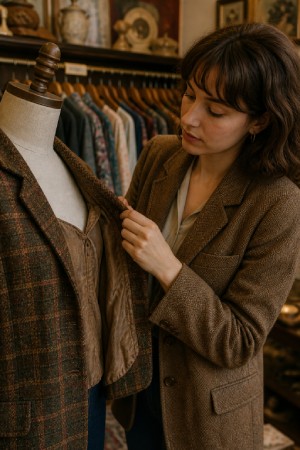
Vintage clothing does not always have to be old, but it should also not be mistaken for anything new. There are many ways to find great deals on high-quality vintage clothing by learning how to evaluate different characteristics before you purchase your first vintage piece.
Some of the most common ways to identify high-quality vintage clothing include:
- Stitching and seams: If they seem to be even and securely sewn together, this could indicate that the garment was made to last and designed with durability in mind.
- Fabric composition: Because natural materials like wool, cotton, and silk are generally going to hold their shape better over long periods of time compared to synthetic materials, it would make sense to prioritize these types of fabrics when shopping for vintage clothes.
- Finishing touches: There are some additional features that can signal whether or not a particular piece of vintage clothing has been crafted with care. Some examples of these features include; having an interior lining (or linings), having reinforced edges, etc.
- Condition: In addition to looking at the actual physical state of a particular piece of vintage clothing, consider the history of use. This includes assessing things like wear and tear, previous repairs or alterations, and any potential damage.
- Brand/maker: While not always possible, knowing who manufactured your vintage clothing can help give you insight into the craftsmanship and quality of the garment. Brands that consistently produced high-quality products were more likely to produce quality products in the future as well.
When evaluating these criteria, it is possible to determine which of your vintage finds will stand the test of time and which ones will need a little TLC.
The Science of Wearing Vintage Clothing Today
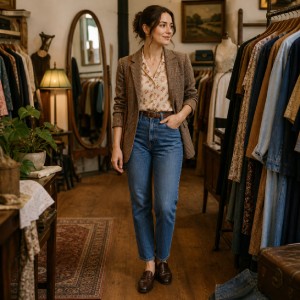
Using vintage pieces in today's wardrobe can be done in a way that still makes them feel relevant. A simple rule-of-thumb for creating outfits with vintage pieces is to focus on balance.
Here are some ideas for balancing vintage pieces in today's wardrobe:
- Pair vintage clothing with basic modern clothing. Using basic modern clothing creates a clean line that helps separate your vintage clothing from other vintage clothing.
- Choose one vintage piece per outfit and then add some modern pieces. For example, if you're wearing a vintage dress, try adding a pair of modern boots instead of heels.
- Make sure your vintage clothing fits properly. While a little bit of stretch can go a long way in terms of comfort, too much can cause your vintage clothing to become unflattering and less versatile. If needed, take your vintage clothing to get altered or tailored.
- Accessorizing can either be helpful or hurtful when using vintage clothing. Try to limit yourself to no more than two or three accessories at once and choose something that complements the rest of your outfit without drawing too much attention away from your vintage piece.
The Lasting Appeal of Vintage Fashion
Fashion from past decades will continue to attract customers because it represents an alternative to mass produced clothing. In addition, vintage clothing is available for purchase at prices lower than most custom clothing.
Consumers who choose vintage clothing reduce the demand for new production. Therefore, vintage clothing is a practical choice for consumers who wish to make more responsible or sustainable fashion choices.
Plus, vintage clothing promotes individuality. Unlike fast fashion trends where all styles look similar, vintage clothing allows the wearer to create her own style. Consumers can mix and match pieces to develop their own aesthetic.
The Vintage Fashion Guide exists in order to provide consumers with tools to follow their own path through education on the subject of vintage clothing. Understanding the history of clothing and being able to identify quality, along with developing knowledge on how to style vintage pieces will help consumers develop wardrobes that are both functional and unique.
His antique dealer parents somehow birthed a full-on old man at heart 😭lol He's only 13, but even creates his Golden Age vintage clothes and hats! His collection includes walking stick, tipped hats, fixed collars and badminton as his fave sport; which is very very apropos <… pic.twitter.com/LrZBgXVA0q
— Catarina Senora Gatita (@WyattCatarina) April 6, 2026